
Computer Vision on the Loading Dock: How Distributors Are Catching Shipping Errors Before They Leave the Building

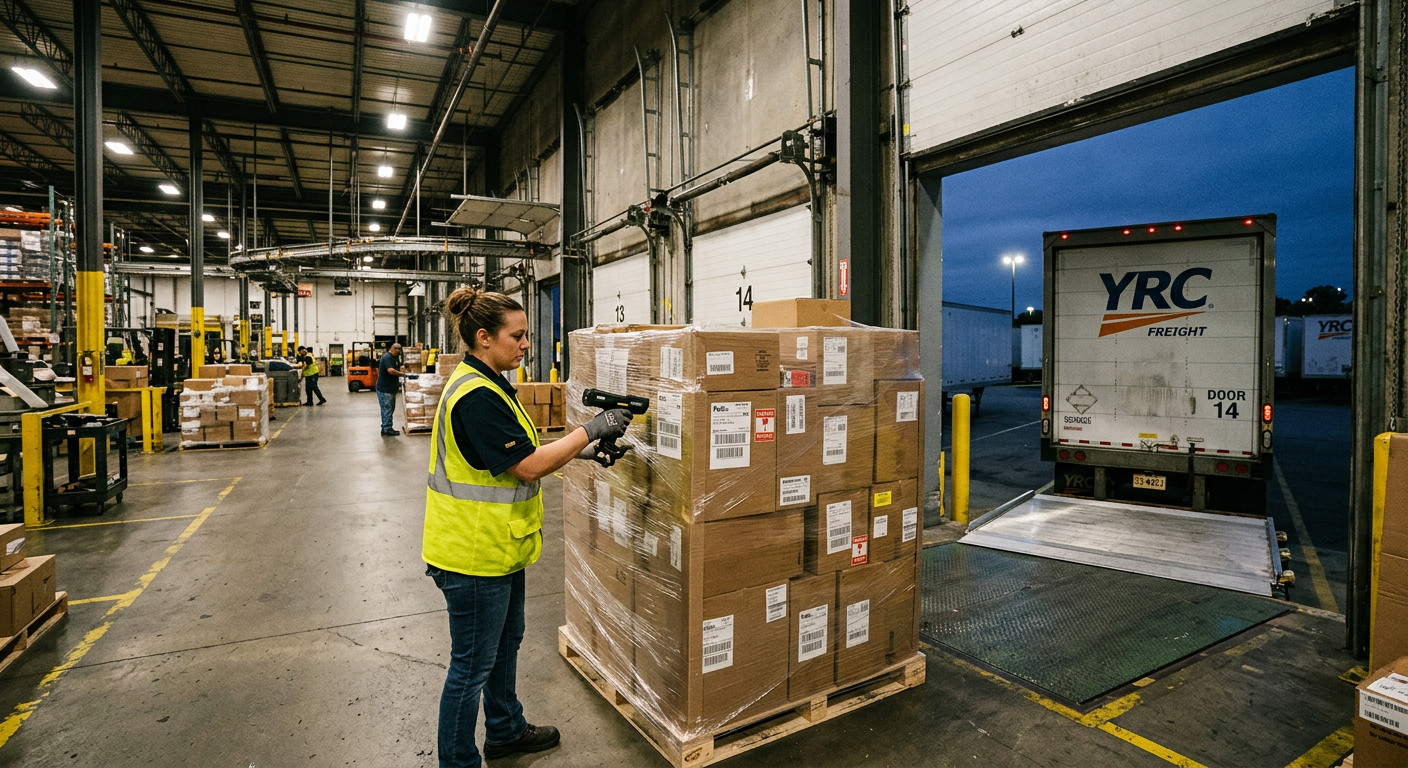
A single mispick costs between $30 and $75 to resolve, according to a 2024 analysis by Voxware, and that's before factoring in the customer relationship damage. For a mid-market distributor processing 6,000 orders per day with even a 1% error rate, that adds up to $65,000 or more in weekly losses from picking and shipping mistakes alone.
Those economics explain why a new generation of computer vision systems, mounted at the dock door rather than deeper in the warehouse, has become one of the fastest-growing technology investments in wholesale distribution. The pitch is straightforward: catch every error in the last few feet before it becomes a return, a credit, and a phone call.
The Last Line of Defense
Traditional quality control in distribution relies on barcode scanning at the pick station and a final check at staging. Both steps depend on human operators, often working under time pressure with handheld scanners. When the industry average picking accuracy hovers around 97% to 99%, a range that sounds acceptable until it translates to dozens or hundreds of daily errors at scale, the gap between "good enough" and "correct" becomes expensive.
Dock-door computer vision changes the equation by introducing a passive, continuous verification layer. Cameras mounted above dock doors or along conveyor lines capture every outbound pallet and case, reading barcodes, verifying labels, and comparing what they see against the shipment manifest in real time. No human has to stop and scan. No pallet slips through unchecked.
The global computer vision market reached $28.4 billion in 2025 and is projected to hit $58.6 billion by 2030, growing at a 16% CAGR, with warehouse and logistics emerging as one of its fastest-expanding verticals., Mordor Intelligence, 2025
The technology isn't new, large-scale fulfillment centers operated by Amazon and Walmart have used camera-based verification for years. What's changed is the price point. Cloud-based inference, cheaper industrial cameras, and pre-trained models mean a mid-market distributor can deploy dock-door vision for a fraction of what it cost five years ago.
How It Works in Practice
The typical installation involves multi-angle camera arrays positioned at dock doors or integrated into conveyor systems. As pallets or cases pass through, the system performs several checks simultaneously: barcode and label reading across all visible surfaces, dimensional verification, count validation, and damage detection.
Vimaan, a warehouse computer vision company based in San Jose, deploys what it calls PalletSCAN, a 360-degree camera array that captures all four sides of a pallet in seconds. The system reads barcodes, verifies contents against the warehouse management system, and flags discrepancies before the pallet reaches the truck. Distributors using Vimaan's outbound scanning report catching misloads that would have previously reached the customer.
Dexory, a London-based startup backed by $80 million in funding, takes a different approach: autonomous robots equipped with cameras and sensors that patrol warehouse aisles continuously, building a real-time digital twin of inventory. Their DexoryView platform detects misplaced stock, validates counts, and flags compliance issues as they occur, not during a periodic cycle count.
Flymingo, an Israeli company profiled by Logistics Viewpoints in late 2024, integrates AI-driven cameras directly with warehouse management systems. Their system monitors picking activity in real time, comparing what workers pull from shelves against order manifests and alerting supervisors to discrepancies before items reach the dock.
The Economics of Catching Errors Early
The math behind dock-door vision systems is compelling for mid-market operations, companies doing $10 million to $500 million in revenue, precisely because their error costs are disproportionately painful.
Consider a regional electrical distributor shipping 2,000 orders per day. At a 1% error rate and an average resolution cost of $50 per incident (covering return shipping, restocking labor, credit processing, and replacement fulfillment), that's $1,000 daily or roughly $260,000 annually in avoidable costs. A dock-door camera system for four to six loading bays typically runs $50,000 to $150,000 installed, with annual software costs of $20,000 to $40,000. Even conservative error reduction, cutting mispicks by half, delivers payback in under 12 months.
Warehouses using AI-powered scanning have achieved 99% inventory accuracy, far above the industry average, with early adopters of continuous vision systems reaching accuracy rates greater than 99.9%., Vimaan, 2025
But the direct cost savings understate the full picture. Shipping errors drive customer churn in B2B distribution more reliably than price competition does. A 2024 report from Opensend found that 85 million parcels arrived compromised that year across the U.S. logistics system, a 30% year-over-year increase. For distributors serving contractors, hospitals, or restaurants where a wrong or missing item disrupts operations, a single bad shipment can send an account to a competitor.
Beyond Error Catching: What the Data Reveals
Distributors deploying dock-door vision are discovering that the cameras generate value well beyond mispick prevention. The same systems that verify outbound shipments produce data that feeds back into operations improvement.
Loading pattern analysis shows which dock doors process shipments fastest and where bottlenecks form. Damage detection cameras catch packaging failures that indicate upstream problems, a recurring dented case might trace back to a forklift operator or a supplier's packing line. Dimensional scanning identifies pallets that won't fit standard truck configurations before they cause loading delays.
Kibsi, a computer vision platform company, highlights dock optimization as a core use case: tracking incoming and outgoing shipments, scheduling dock doors dynamically, and identifying bottlenecks in loading and unloading. For distributors running tight delivery windows, next-morning service for plumbing contractors or same-day restocks for food service operators, shaving 15 minutes off dock turnaround directly expands delivery capacity.
The data also feeds compliance requirements. Pharmaceutical distributors subject to track-and-trace regulations can use camera-verified chain-of-custody records as audit documentation. Food distributors can timestamp and photograph every outbound shipment for recall readiness.
See how much revenue you're leaving on the table
Take our 2-minute Revenue Leakage Assessment
Start AssessmentImplementation: Easier Than Expected, With Caveats
Most dock-door vision deployments take two to six weeks from hardware installation to production use, according to vendors. The physical footprint is minimal, cameras mount on existing steel beams or door frames, and edge computing units sit in standard server racks or wall-mounted enclosures. Integration with warehouse management systems typically uses API connections, with most modern WMS platforms supporting real-time event hooks.
The real complexity lies in training the models for specific product catalogs. A distributor handling 50,000 SKUs with inconsistent labeling, think electrical components from 200 manufacturers, each with their own barcode placement and label formatting, needs more tuning than a beverage distributor with 500 uniform SKUs. Vendors typically handle initial training as part of deployment, but ongoing model updates as product lines change require either vendor support contracts or in-house technical capability.
Lighting and environmental conditions matter more than most buyers expect. Loading docks are harsh environments, temperature swings, dust, direct sunlight, and rain exposure all affect camera performance. Industrial-grade cameras rated for these conditions cost more than standard models, and installations that skimp on lighting or weatherproofing tend to see accuracy degrade within months.
What to Watch For in 2026
Three trends are accelerating adoption for mid-market distributors specifically.
First, the integration of computer vision with voice-directed workflows. Systems like Voxware already combine voice picking with error analytics; adding camera verification at the dock creates an end-to-end accuracy chain from pick to ship. For distributors that have invested in voice picking, dock-door cameras become a natural next step.
Second, camera-as-a-service pricing models are lowering the barrier to entry. Rather than a six-figure capital expenditure, several vendors now offer monthly subscriptions that include hardware, software, and model maintenance. For a distributor operating on thin margins, converting a large upfront cost into a predictable monthly expense makes the business case easier to approve.
Third, the convergence of computer vision with autonomous mobile robots. Companies like Dexory are already pairing cameras with robots that move through warehouses independently, but the next step is integrating dock-door verification data with autonomous loading systems. As robotic loading technology matures over the next two to three years, the camera infrastructure installed today becomes the sensory layer for fully automated dock operations.
North America's computer vision market reached $7.11 billion in 2025, growing to an estimated $8.17 billion in 2026, with warehouse and logistics applications driving a significant share of that expansion., Fortune Business Insights
The distributors gaining an edge aren't waiting for the technology to mature further. The camera systems available today are accurate, affordable, and proven in production environments. For operations where a 1% error rate translates to six-figure annual losses and measurable customer attrition, the question isn't whether to deploy dock-door vision, it's how quickly the rollout can reach every shipping lane.
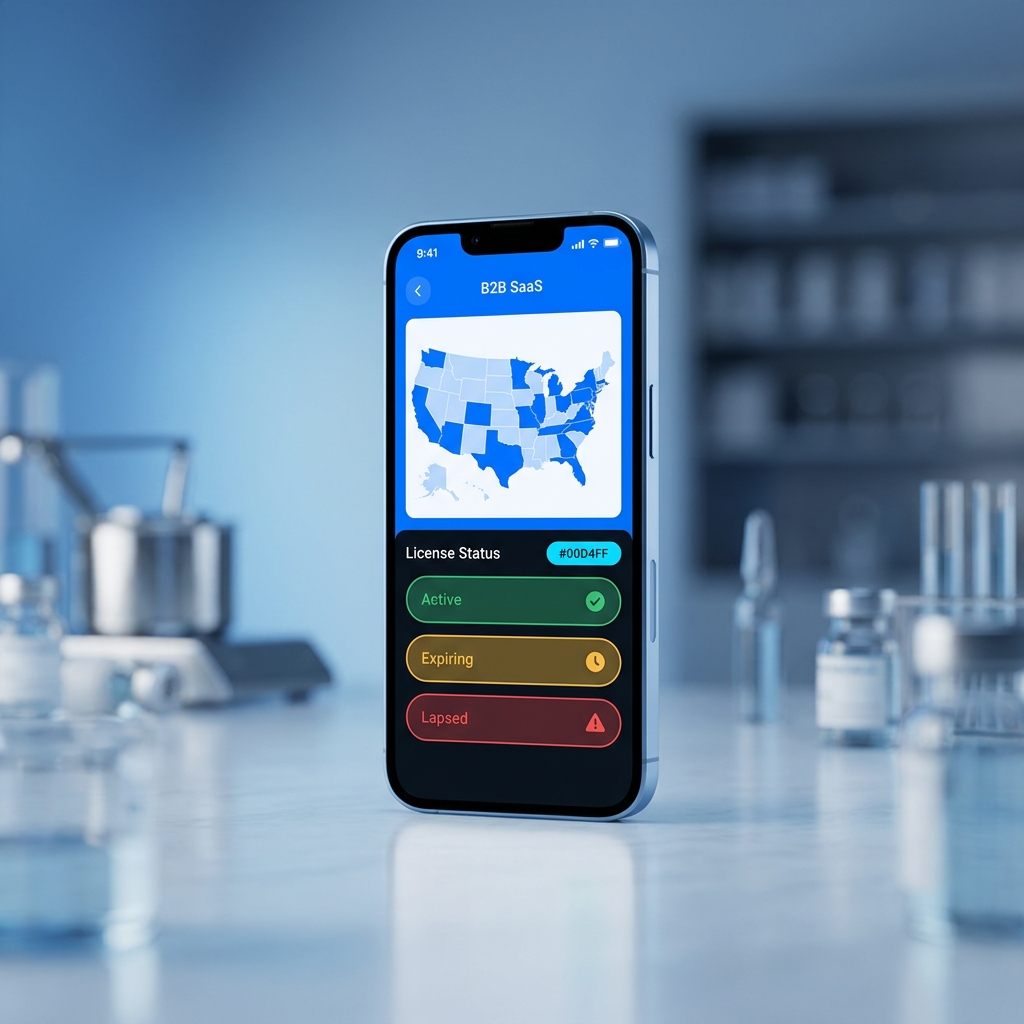
Catch lapsed customer licenses before they ship.
Workd License Check pulls every state board, NPI registry, and DEA records daily. Free audit on your top 100 accounts.
Run a Free License AuditStay ahead of the curve
Get weekly insights on distribution technology and AI automation.